
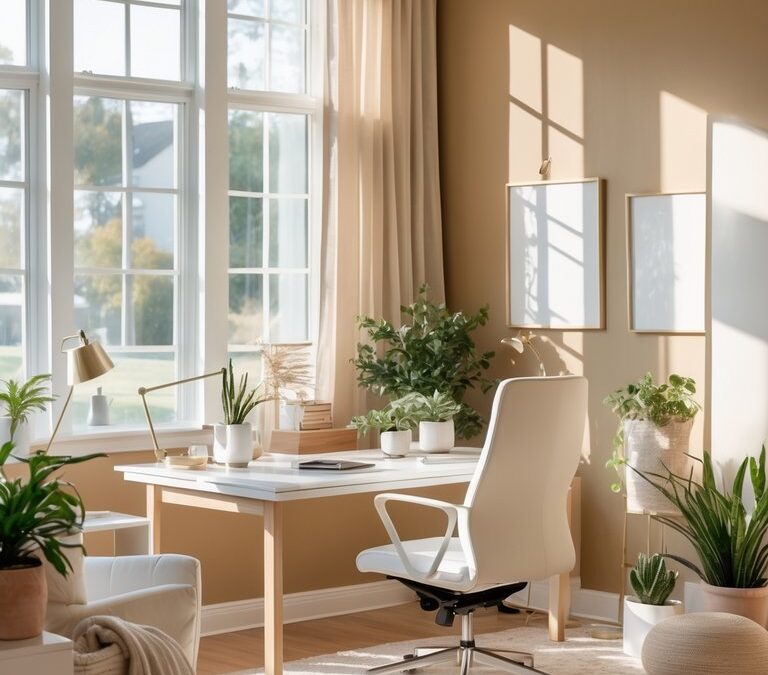
You want your office to feel like a calm, sunlit movie set that helps you focus and enjoy work. This article shows 18 simple ways to layer light so your workspace looks warm, balanced, and easy to live in—without changing your whole room.
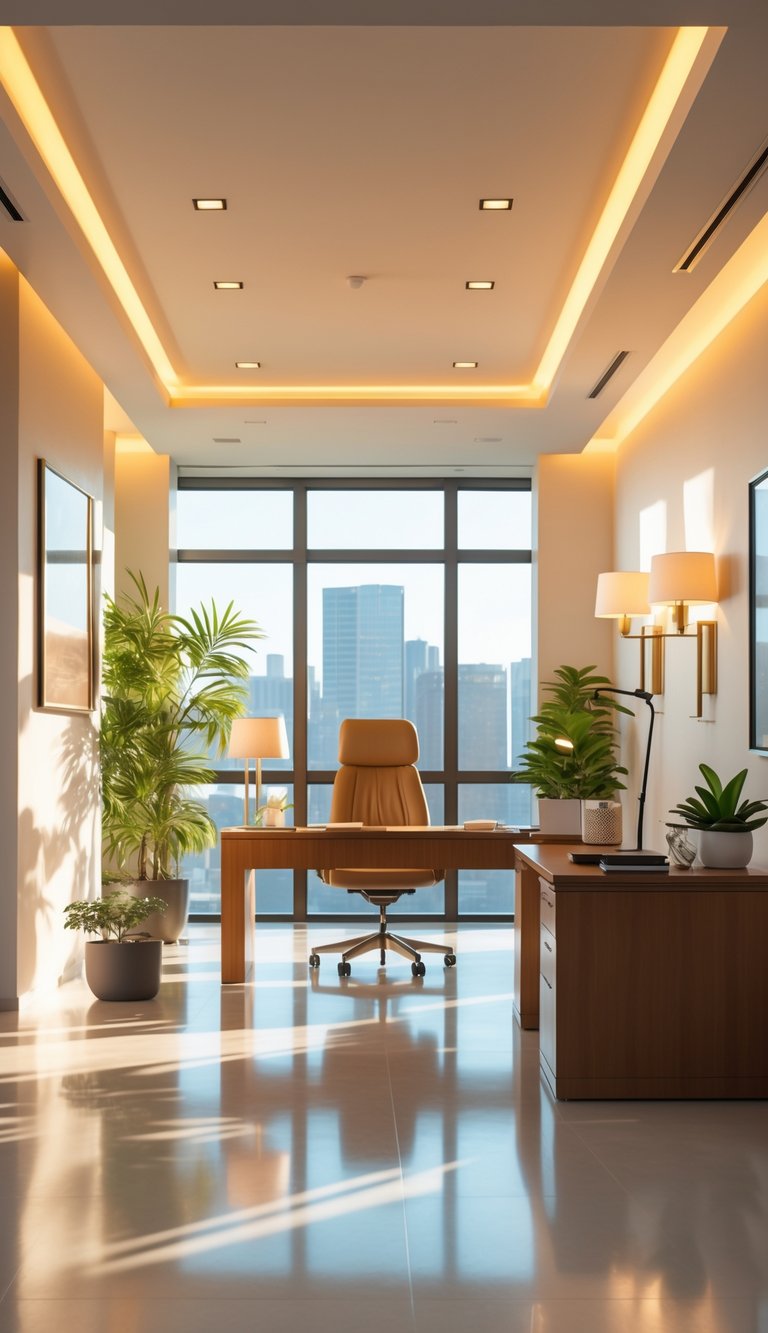
You’ll learn how to mix natural sun, soft overhead glow, task lights, and small accents to create a cozy, functional office inspired by Nancy Meyers’ iconic style. Use these tips to shape mood, reduce glare, and make each corner feel intentional and inviting.
Think about light as a team of players, not a single hero. Start by identifying the main source—natural light from windows or a skylight—and build layers around it. Choose one warm overhead option and pair it with focused task lighting at your desk. Add low-level backlighting and a few small lamps to fill shadows without overpowering the space. Use dimmers so you can change the mood by the hour, and pick warm-color bulbs (around 2700K) to keep tones soft and flattering. Finally, place a mirror to bounce daylight and use textured shades or linen curtains to diffuse harsh rays. Small changes like LED strips behind shelves, a statement chandelier, or tapered brass candles can lift the whole room without big expense.
1) Start with large south-facing windows or a Venetian-style skylight
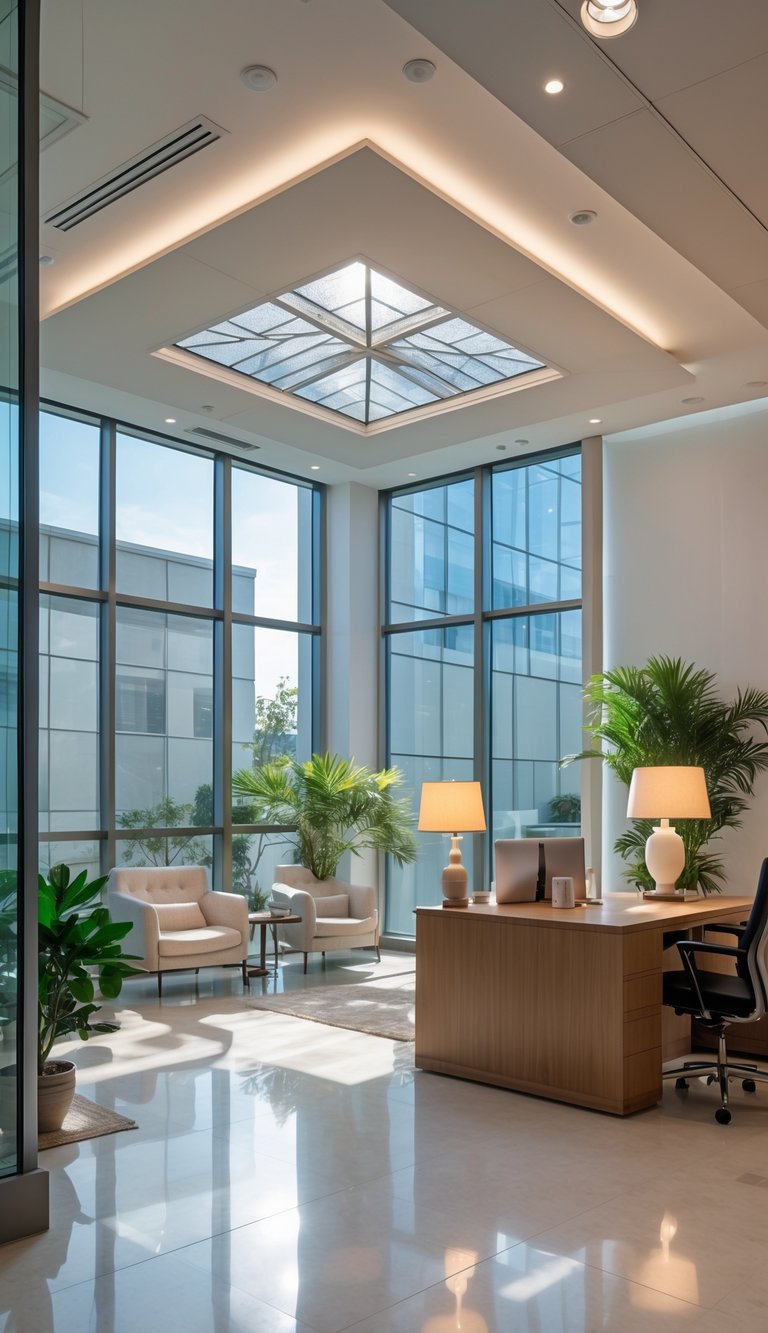
Place large south-facing windows to bring steady, warm light into your office all day. South light gives even illumination that reduces harsh shadows and makes colors read true. It also warms the room in cooler months without glare during midday when combined with shades.
A Venetian-style skylight adds a soft, diffused glow from above. It spreads light across the ceiling and walls, making the space feel open and calm. Pair it with your windows so light layers from different angles.
PRO TIP
Think about balance when you install big windows or a skylight. Too much direct sun can wash out your set, so use sheer curtains, adjustable blinds, or internal louvers to control intensity while keeping the soft look you want. Include a low-reflectance ceiling and matte finishes on furniture to avoid hot spots. Position your desk or key set pieces so light hits faces at a 30–45 degree angle to reduce shadows. If privacy or heat is a concern, consider insulated glazing or a skylight with a built-in blind.
2) Layer soft overhead: dimmable recessed lights on warm white (2700K)
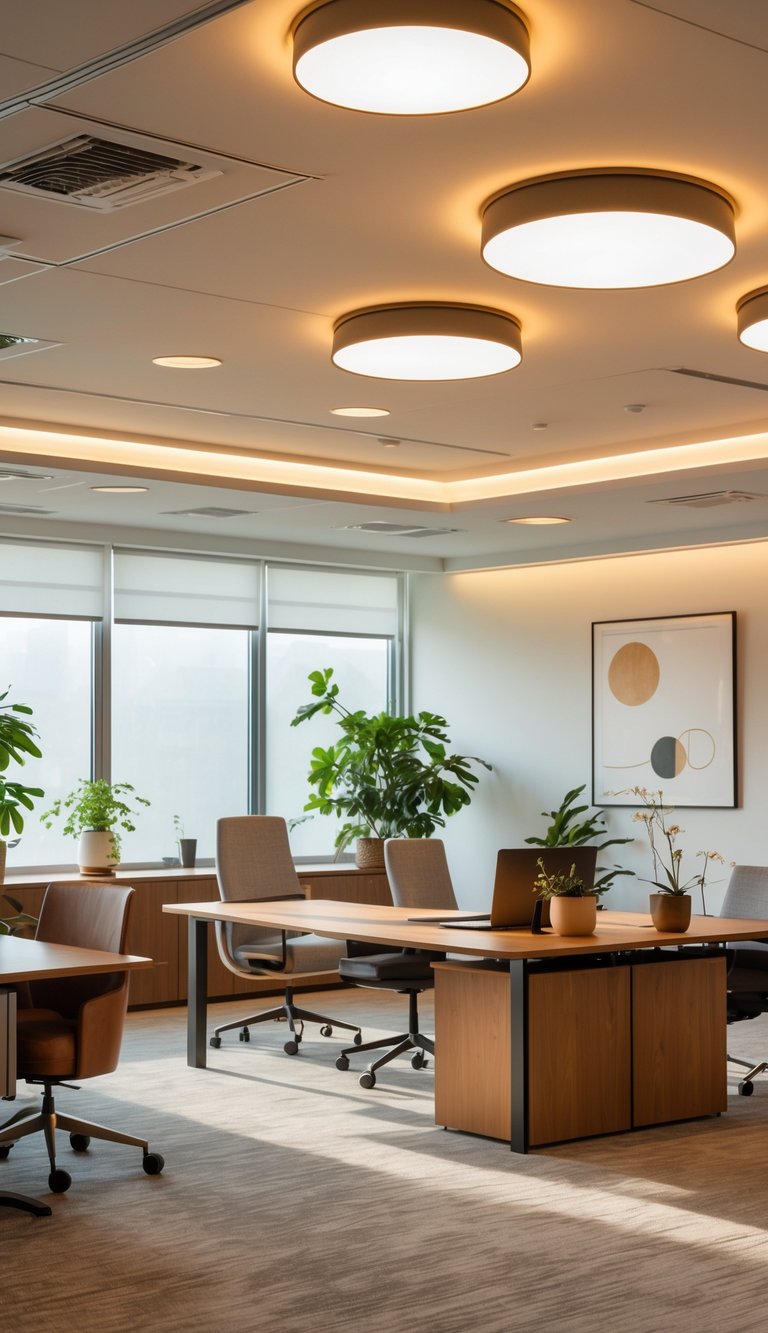
Use dimmable recessed lights set to warm white (2700K) to create a soft, inviting base layer. These lights give even, gentle illumination that keeps the room cozy without glare.
Keep the fixtures recessed so the light feels natural and unobtrusive. You can raise or lower brightness with a dimmer to match the mood or time of day.
Space cans evenly and aim for about 50–75% of full brightness for most daytime scenes. This lets other lamps and accents add depth without fighting the overhead light.
PRO TIP
Choose warm white 2700K bulbs and pair them with a quality dimmer that supports LED loads. Install bulbs with a CRI of 90+ when possible so colors and skin tones look natural on camera or in person. Plan layout so recessed lights avoid direct shine on reflective surfaces; this reduces hot spots and makes the set feel softer. Use lower wattage or lower lumen output fixtures than you might in a kitchen—Nancy Meyers sets favor gentle, even light rather than bright task lighting. Finally, test scenes at different dimmer settings to find the sweet spot where the room reads warm and layered without looking flat.
3) Add a central statement chandelier in antique brass with fabric shades
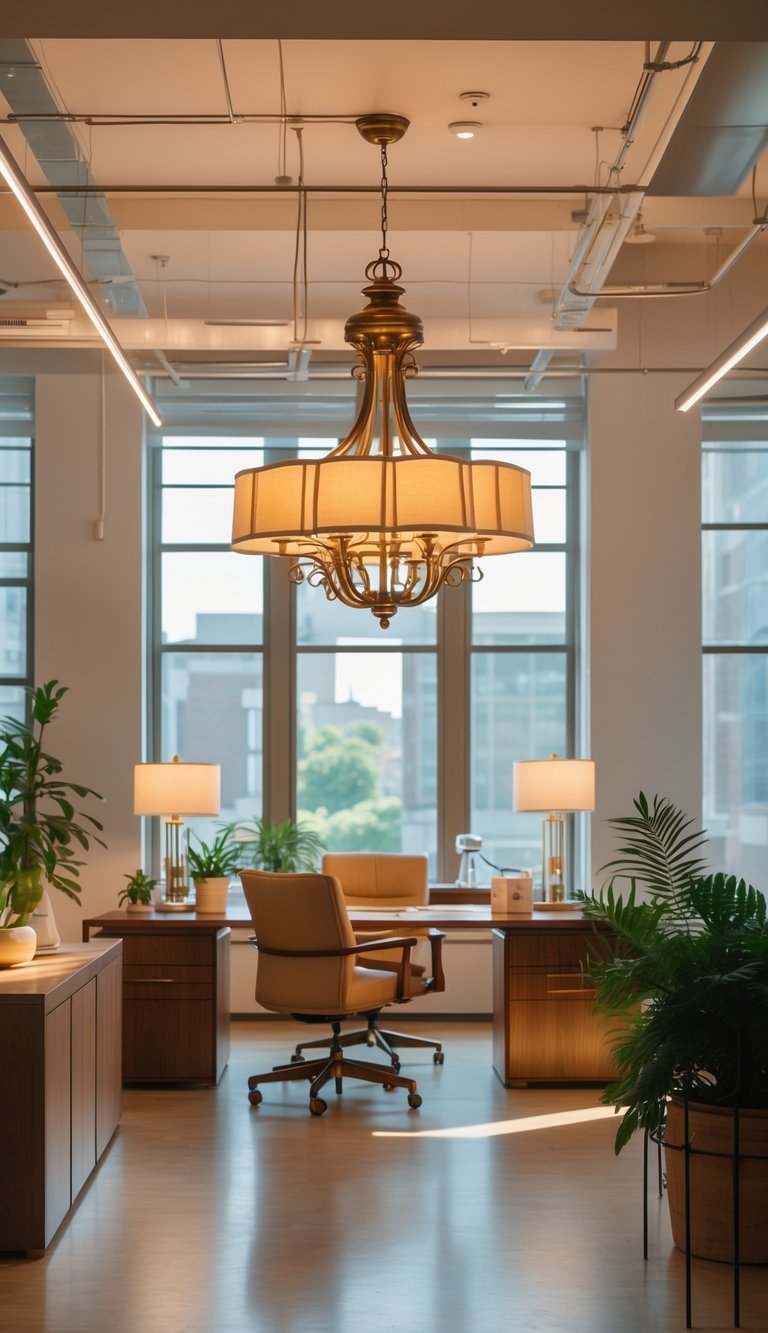
Choose a chandelier that feels like a star in the room. An antique brass finish gives warmth and a lived-in look that suits a Nancy Meyers–style office, and fabric shades soften the light for a cozy, film-ready glow.
Hang it over your desk or seating area so it anchors the space. Keep the height low enough to be intimate but high enough to clear sight lines and task areas.
Pick shades in neutral linen or soft white to keep light even and pleasant. You’ll get gentle, diffused light that reduces glare on screens and creates a welcoming mood for video calls and reading.
PRO TIP
When you pick an antique brass chandelier, think about scale and bulb type. Measure your room and furniture so the fixture feels proportional. Use warm LED bulbs around 2700K to 3000K for a soft, flattering light that mimics incandescent warmth. If you want adjustable mood, install a dimmer compatible with your bulbs; dimming adds depth and keeps the space from feeling flat. Consider fabric shades with liners if you worry about dust or heat; liners help protect fabric and keep light consistent. Finally, coordinate small metal accents in the room to tie the chandelier into the overall palette without matching everything exactly.
4) Task lamp: Anglepoise Original 1227 desk lamp in cream
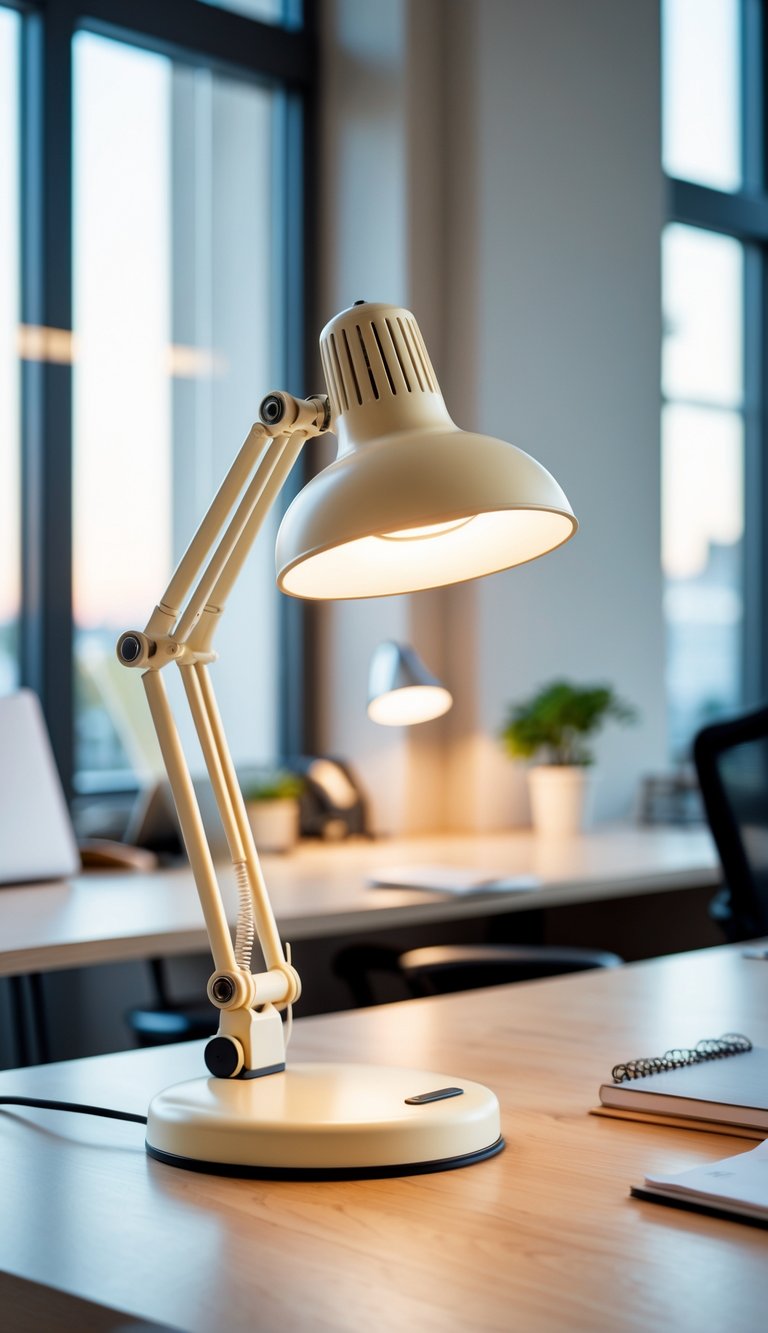
Place an Anglepoise Original 1227 in cream on your desk to add a warm, lived-in touch. Its clean lines and balanced springs make it easy to aim light exactly where you work. The cream finish keeps things soft and neutral, so it blends with layered lamps and natural textures.
You can angle the shade to reduce glare on screens and brighten paperwork at the same time. The compact base fits small desks without taking over your surface. This lamp gives usable, focused task light while still feeling like a design piece.
PRO TIP
When you choose a cream 1227, pair it with a warm LED bulb around 2700K to keep the color palette cozy and flattering. Mount the lamp a little behind your dominant hand so shadows fall away from your work area. If you use multiple light sources, let the Anglepoise handle close-up tasks while a softer table lamp fills ambient light. You can also try dimmable bulbs or a plug-in dimmer to match the lamp’s brightness to different times of day. Keeping the lamp slightly tilted down reduces screen reflections and helps you avoid eye strain during long work sessions.
5) Warm backlighting: LED strip under floating shelves (2700K)
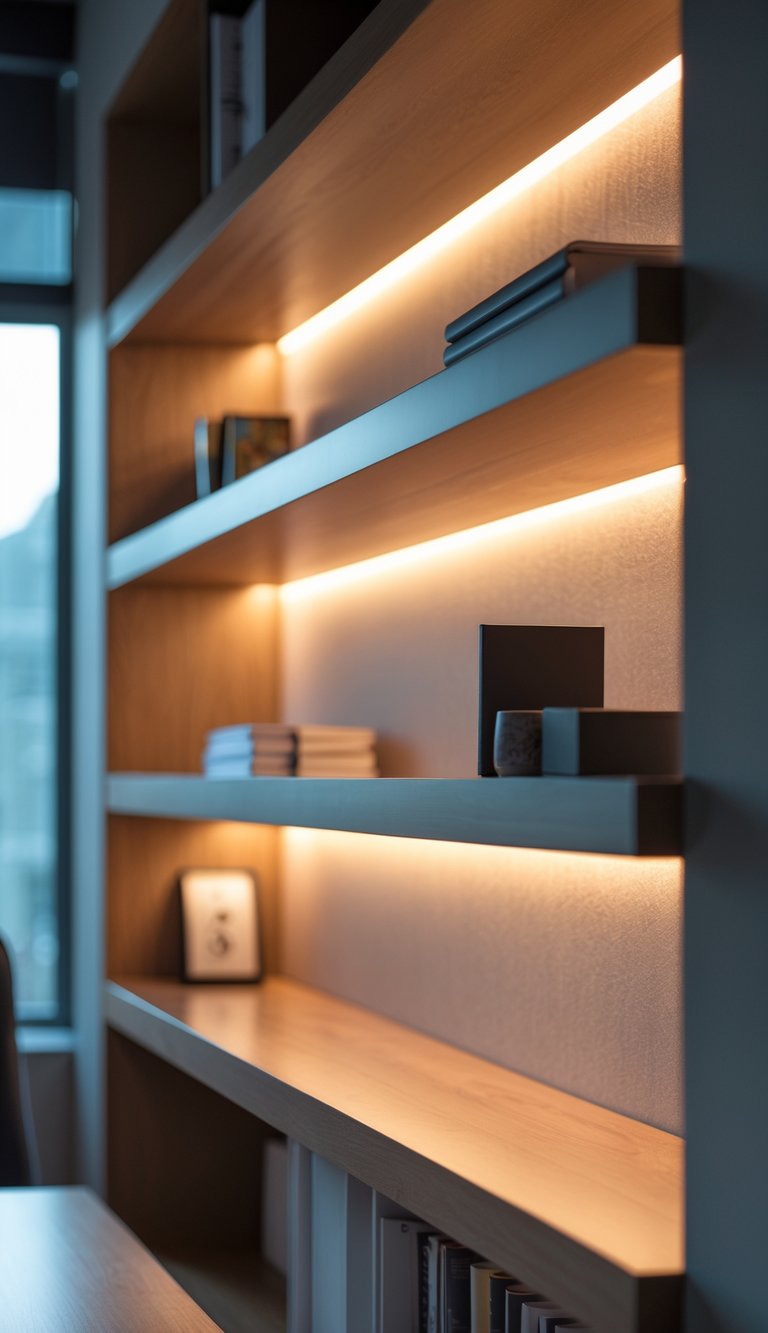
Place a warm 2700K LED strip beneath a floating shelf to create soft backlighting that feels cozy and lived-in. The low, candle-like tone warms wood and framed art without stealing focus from the room.
Mount the strip toward the back edge so light washes the wall instead of glaring into your eyes. This hides the source and gives a gentle halo that reads like a set piece.
Choose a dimmable strip so you can shift from bright task light to quiet ambience. Adhesive-backed strips make installation quick, and many are cuttable so you can fit any shelf length.
PRO TIP
When you install LED strip lights under floating shelves, aim for even spacing and careful placement to avoid bright spots and visible diodes. Use a diffuser or mount the strip slightly recessed from the shelf edge; this softens the glow and creates a more professional, cinematic look. If your shelves display books or ceramics, set the color temperature to 2700K for a warm, inviting tone that flatters wood and skin. Add a small inline dimmer or smart controller so you can adjust brightness for reading, meetings, or relaxed evening scenes. Test the strip length before sticking it down, and clean the mounting surface to ensure the adhesive holds.
6) Diffuse natural light with sheer linen curtains in ivory
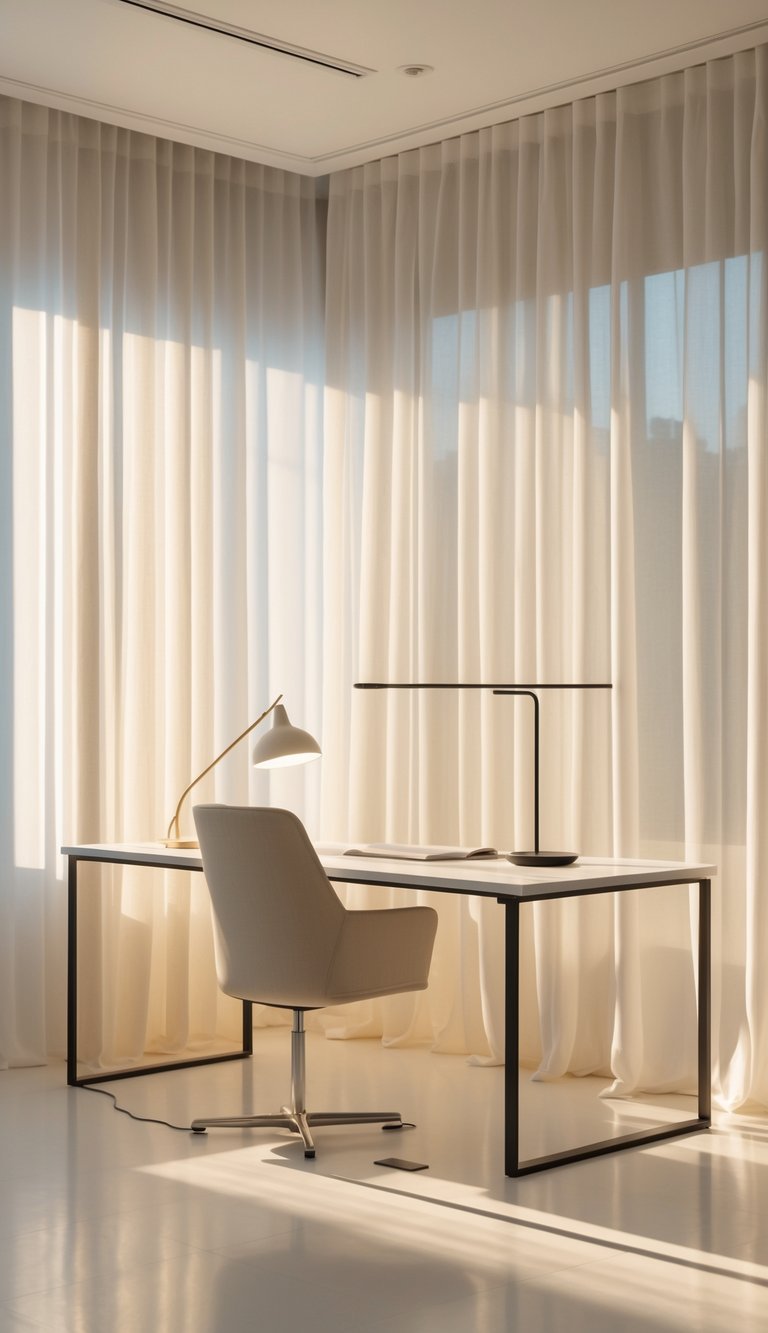
Sheer linen curtains in ivory soften incoming light without darkening the room. You keep brightness while cutting harsh glare, which helps create that warm, lived-in Meyers feel.
Choose a lightweight, semi-sheer weave to let sunlight pass through gently. The ivory tone adds warmth and keeps colors in the room true and calm.
Hang the panels close to the ceiling and extend them beyond the window frame. This makes windows feel larger and lets light wash the walls for an airy, cinematic look.
Layer with heavier drapes or blinds for privacy at night. You get the soft daytime glow and practical light control when you need it.
PRO TIP
Pick linen or a linen-blend that is machine washable and labeled light-filtering so maintenance stays simple. Measure carefully for length; curtains that puddle slightly read as luxe, while just-brushed-floor panels look tailored. If you want more texture, choose a subtle slub or natural slub weave to catch light differently across the day. For extra depth, mount a double rod and pair sheer ivory panels with heavier curtains in a complementary neutral. This lets you switch from ethereal daylight to full privacy without losing that soft, inviting ambiance you’re aiming for.
7) Use frosted glass pendant lights over a side table
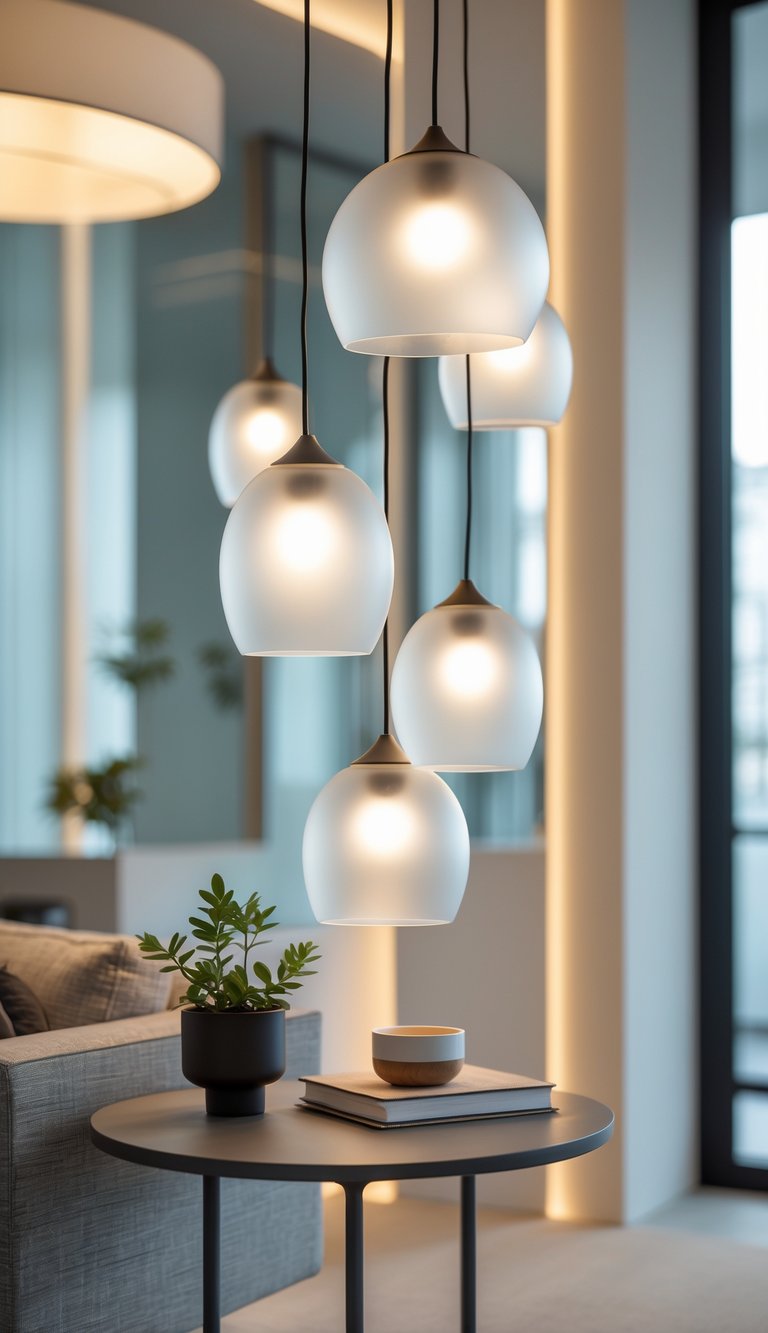
Place a frosted glass pendant above a side table to get soft, even light without glare. The frosted glass spreads light gently, so you can read or work without harsh shadows.
Hang the pendant a bit higher than a table lamp would sit. This keeps the sightline clean and gives the room an airy, cinematic feel like a Nancy Meyers set.
Choose a warm bulb with good color rendering to keep skin tones and fabrics looking natural. A dimmer makes the light more flexible for morning tasks or late-night relaxation.
PRO TIP
When you add a frosted glass pendant over a side table, think about scale and balance. Match the pendant size to the table and nearby furniture so one piece doesn’t overwhelm the others. If the side table sits next to a sofa, hang the pendant so it centers over the table surface, not over the sofa cushion. Use a dimmer switch to shift from bright task light to soft ambient glow. Pick a bulb around 2700–3000K for warm, inviting color. If you need layered options, add a small table lamp or wall sconce for targeted light that complements the pendant without competing with it.
8) Table lamp: Serena & Lily Chatham table lamp in washed oak
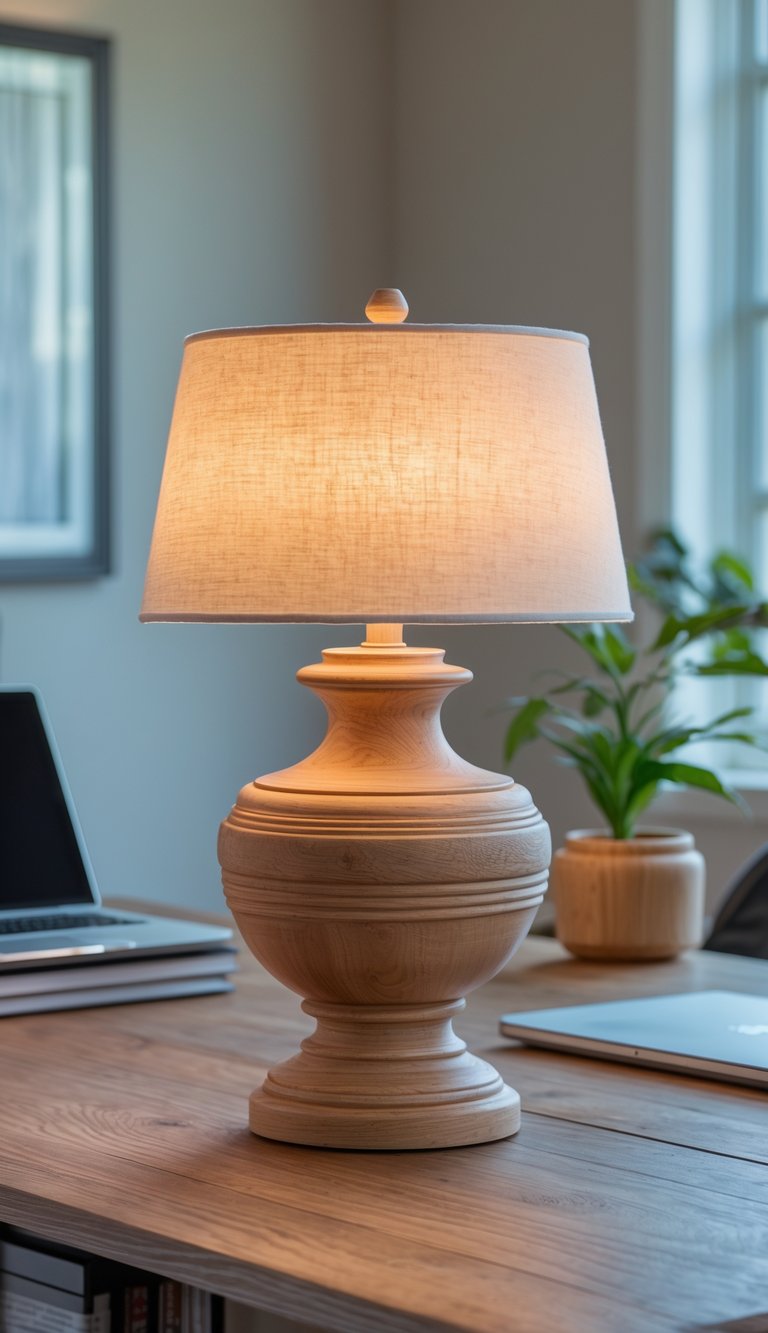
Place a Serena & Lily Chatham table lamp in washed oak on your desk to add warm, soft light without glare. The washed oak finish keeps the look calm and beachy, fitting a Nancy Meyers–style office that feels lived-in yet polished. Use a warm white bulb to mimic daylight but stay cozy.
Set the lamp slightly behind your main work area so it layers with overhead light and reduces harsh shadows. The lamp’s scale is key — not too tall to overpower, not too small to be lost among books and art. Pair it with textured linens or a ceramic tray to echo the lamp’s natural tones.
PRO TIP
Position the Chatham lamp beside a stack of low books or a small plant to create a staged but functional vignette. Angle the shade so light hits your paperwork without reflecting on screens. If you work at night, add a dimmable bulb or smart plug so you can lower brightness for late tasks and reading. Swap to a 2700K bulb for warmer mood or a 3000K bulb for clearer task light. Keep cords tidy with a simple clip and tuck them behind the desk to maintain that effortless, movie-set look you want.
9) Floor lamp: Arteriors Etta arc floor lamp for ambient glow
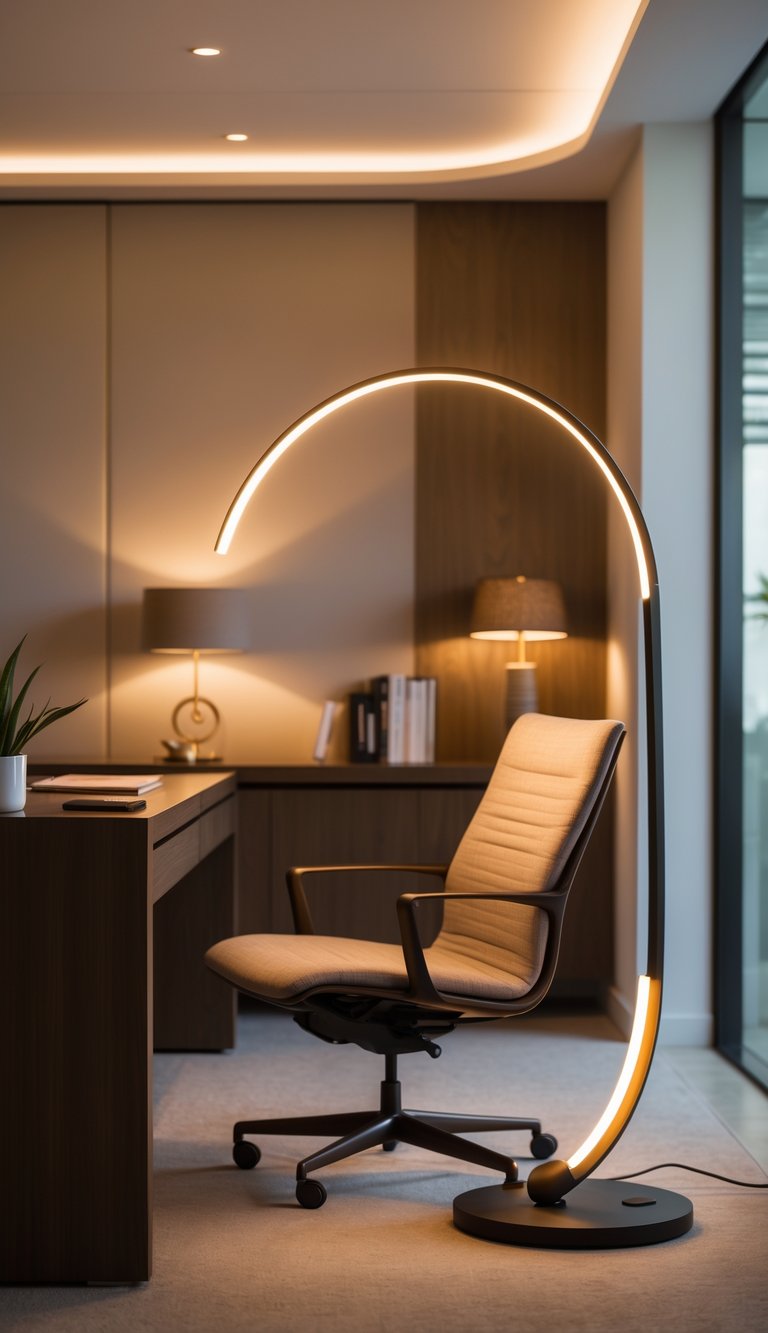
Place the Arteriors Etta arc floor lamp behind or beside your desk to create a soft, sweeping wash of light. The curved arm reaches over work surfaces without cluttering them, so you keep clean lines that feel cinematic and calm.
Use a warm, dimmable bulb to mimic the cozy, lived-in light seen on Nancy Meyers sets. The lamp’s marble base and metal stem add subtle texture while staying elegant and simple.
Angle the shade toward a wall for a gentle bounce, or aim it at a reading chair for targeted glow. This lamp layers well with overhead and task lights, helping your office read as both polished and inviting.
PRO TIP
When you position the Etta arc lamp, think about height and reach relative to your chair and desk. Keep the arc high enough to clear your head and monitor, but low enough to create a pool of light on the surface you use most. Choose a soft white bulb (2700–3000K) to warm fabrics and skin tones; avoid cool, blue-toned bulbs that make spaces look stark. Add a dimmer so you can shift from focused work to relaxed video calls. Finally, pair the lamp with a small table lamp or an uplight to prevent harsh shadows and make your office feel layered and lived-in.
10) Sconce pair: Schoolhouse Electric double-armed wall sconces
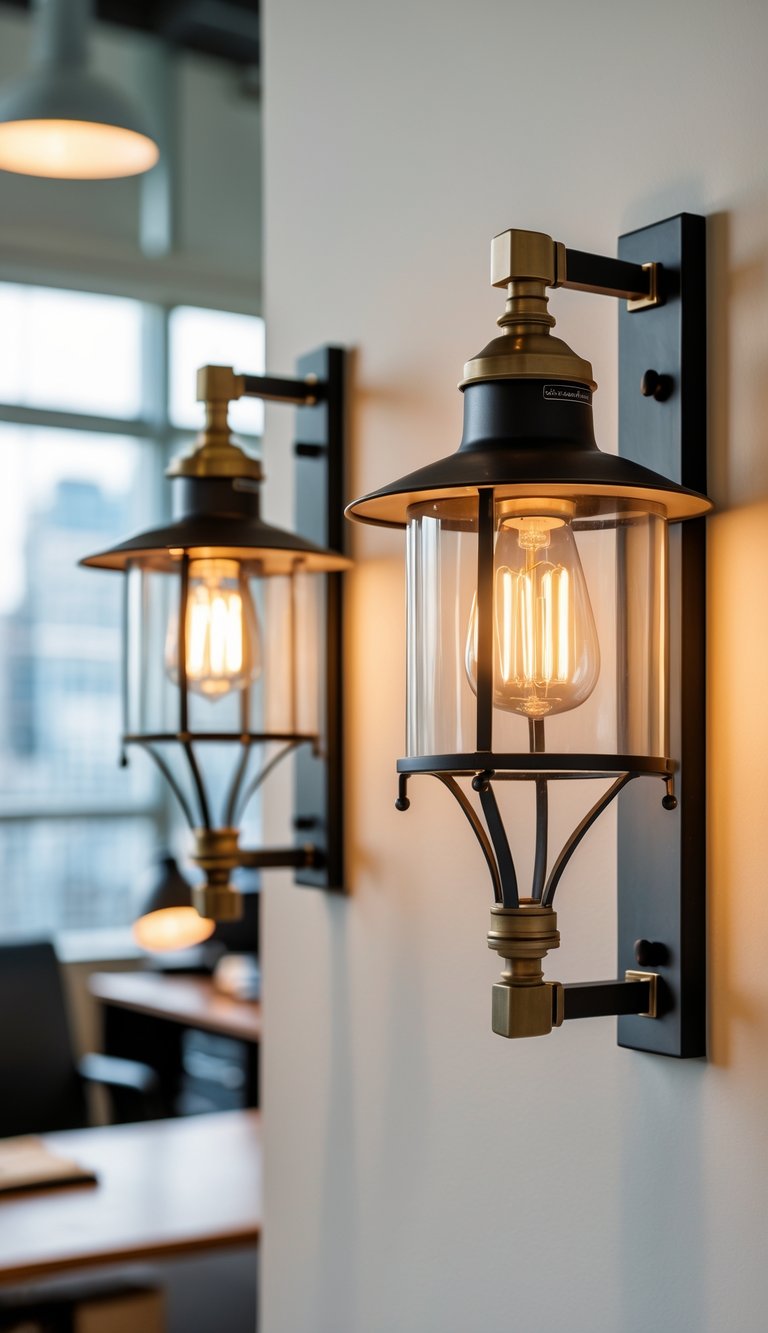
Choose a pair of double-armed Schoolhouse Electric sconces to frame a desk, doorway, or built-in shelving. Their balanced silhouette and clean finishes add a calm, classic look that fits Nancy Meyers–style sets without feeling fussy.
Mount them at eye level so light falls across your work surface and face without glare. Use warm bulbs and dimmers to shift from bright task light to soft ambient glow for meetings or late-night writing.
Space the pair evenly around the focal point. This layered placement creates depth and a tailored, cozy feel that reads well on camera and in real life.
PRO TIP
When you pick double-armed Schoolhouse sconces, think about scale and finish first. Measure the wall height and the width of the furniture you’re flanking so the arms don’t crowd the scene. Choose a finish that matches other metal accents in the room—brass for warmth, matte black for contrast, or nickel for a quieter look. Install on a separate dimmer circuit from overhead lights so you can control mood without changing the whole room. If hardwiring is tricky, consider an electrician for clean installation; a plug-in version can work short-term but may clutter the visual. Finally, pair the sconces with opaque or slightly frosted bulbs to reduce harsh shadows and keep skin tones natural on camera.
11) Mirror placement opposite windows to bounce daylight
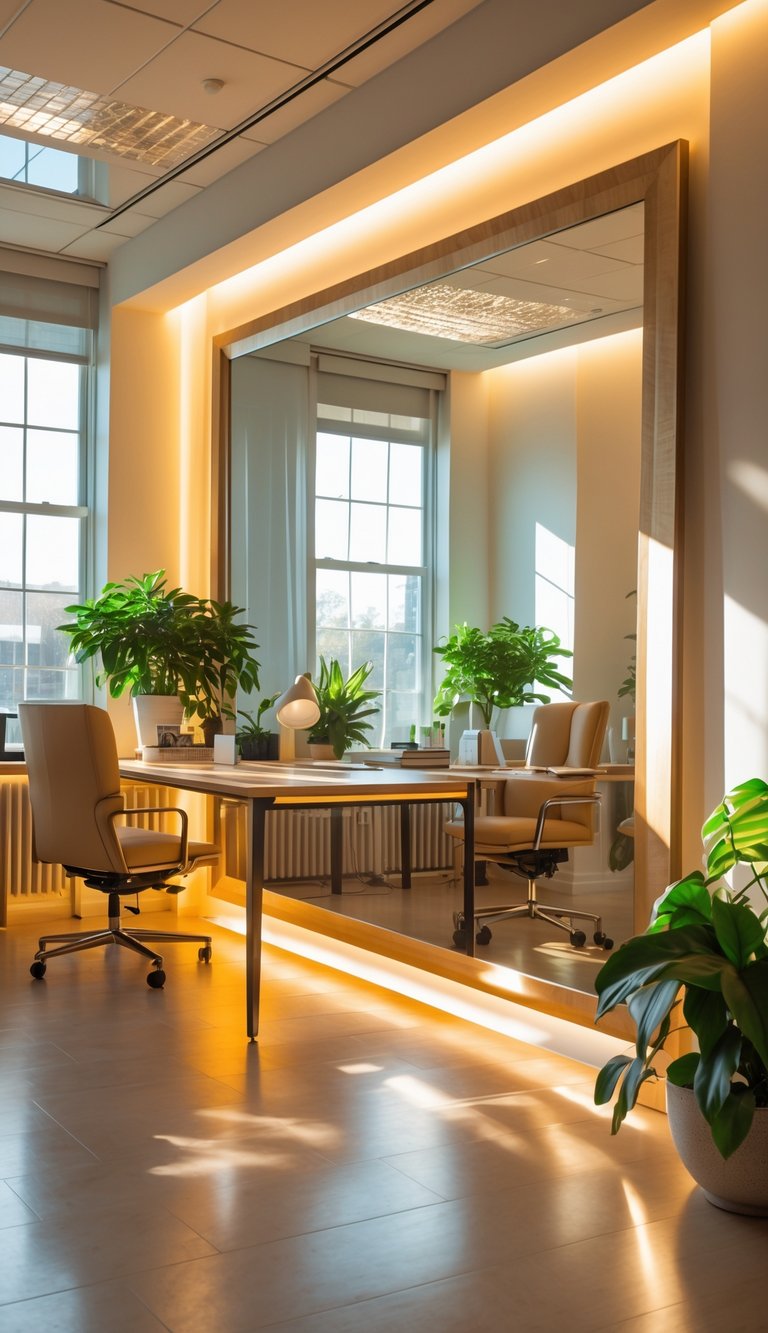
Place a large mirror directly across from a window to double the amount of daylight in your room. The reflected light reaches deeper into corners and makes the space feel larger and more open.
Choose a frame that matches your decor so the mirror looks like part of the set, not an afterthought. Leaning a tall mirror against the wall gives a casual, cinematic look similar to Nancy Meyers’ sets.
Avoid placing the mirror where it will catch harsh midday sun that could glare into your eyes. Instead, angle it slightly if needed to soften strong beams and spread light evenly through the room.
PRO TIP
You can group smaller mirrors on the wall opposite a window if a single large mirror won’t fit or if you want more visual interest. Use mirrors with different shapes but a similar finish to keep a cohesive feel. When you hang them, try varying heights to create a light path that reaches tabletop and floor levels. If your room faces south, tilt mirrors at about a 45-degree angle to send bright sunlight deeper without creating hotspots. Behind lamps, mirrors also amplify artificial light at night, so plan placement for both day and evening use. Clean mirrors regularly; even a thin film dulls the bounce and lowers the overall brightness.
12) Layer with candles and tapered brass candleholders
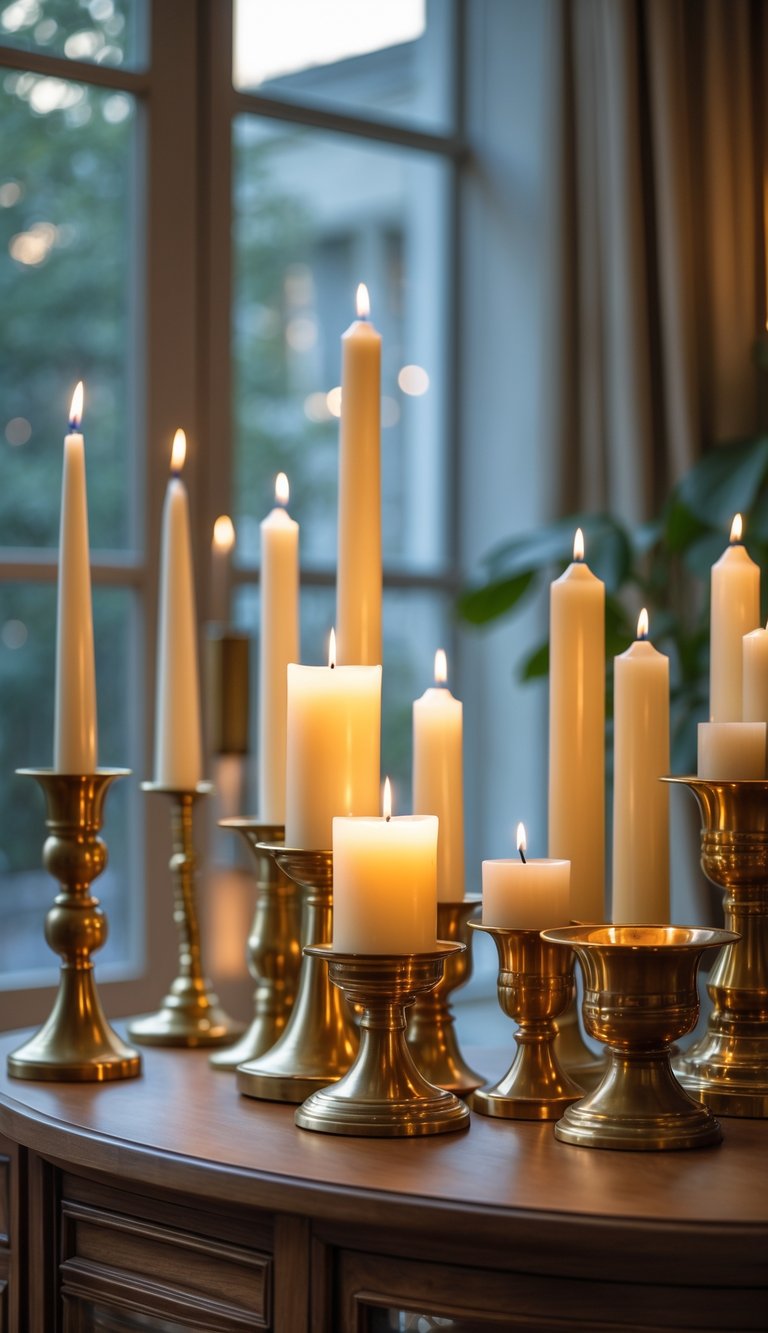
You can add warmth and polish by grouping tapered candles in brass holders. Place a few heights together on a desk or shelf to create gentle vertical lines that catch the eye.
Choose brass finishes that are slightly different — matte, brushed, or polished — to add subtle texture. Mix in clear glass votives or a low ceramic tray to break metallic shine and protect surfaces.
Keep candles at safe distances from papers and fabric. Use drip-catching bases and trim wicks to maintain a clean, steady flame that feels intentional, not messy.
PRO TIP
When arranging, vary height and spacing to avoid a uniform look. Put taller tapers toward the back and shorter ones near the front so light layers across the surface. Combine odd numbers (three or five) for a natural, relaxed cluster. If you want a softer glow, use unscented candles so your workspace or office scent stays neutral. For everyday use, choose brass holders with a removable insert or a small cup to catch wax — it saves cleaning time and protects furniture finishes.
13) Soft area rug to absorb glare and warm the space visually
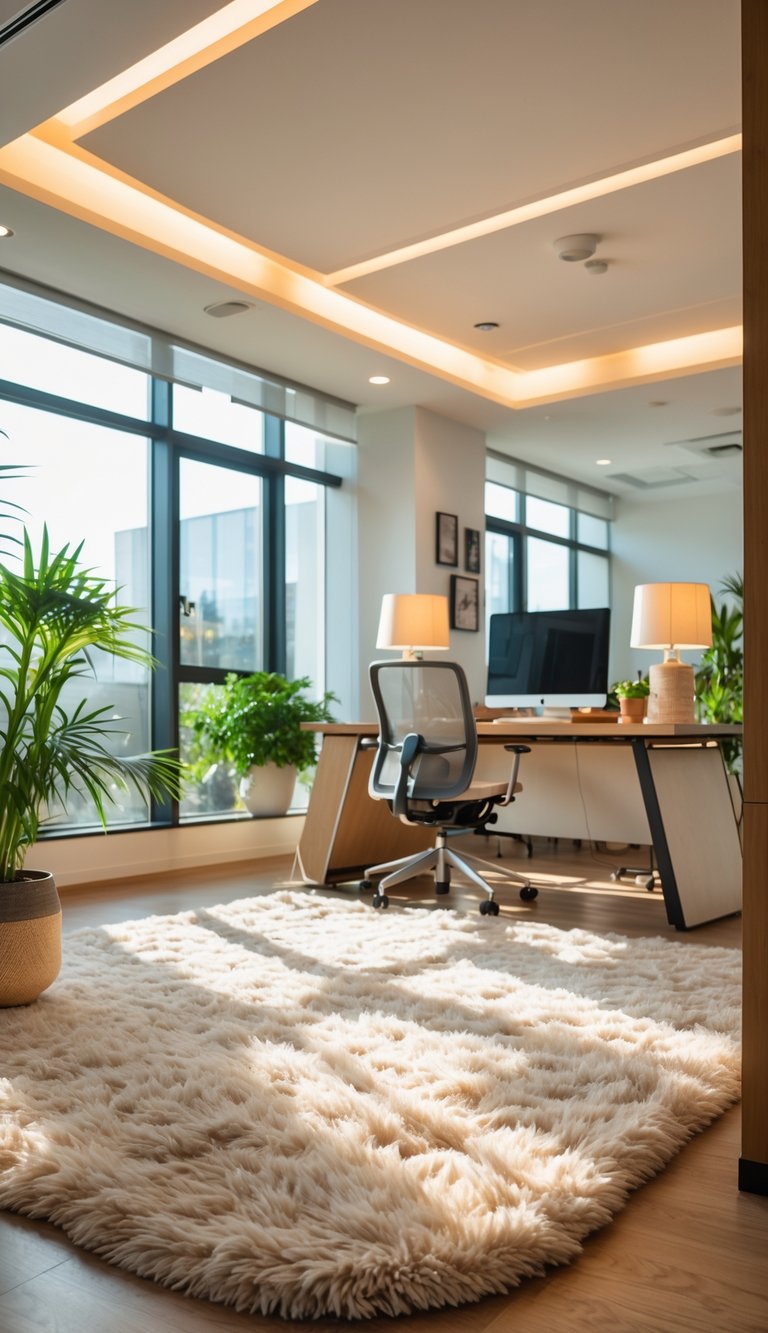
Choose a soft area rug to help tame harsh reflections from windows and lamps. A plush or low-pile rug absorbs light and reduces glare, so your eyes rest easier while you work.
Pick warm tones or layered neutrals to make the room feel cozier. The color you choose affects how light reads; warmer hues reflect softer light and add a subtle glow to the floor.
Place the rug so it anchors the desk area and catches light from nearby sources. A rug underfoot also adds texture, which breaks up flat brightness and gives the space a lived-in, cinematic feel.
PRO TIP
Select a rug material that balances softness with practicality. Wool and wool-blend rugs soak up light and feel luxe, but choose a low-maintenance weave if you expect spills. Consider size: the rug should extend past your chair so movement doesn’t expose cold floor edges, which can create sharp light contrasts. Layer a smaller patterned rug over a neutral jute or sisal base to add depth without increasing glare. If you work near a window, test rug placement at different times of day to see how sunlight hits the surface. A rug pad will keep the rug flat and prevent shifting that could create uneven light patches.
14) Small uplights behind cabinets to create halo effects
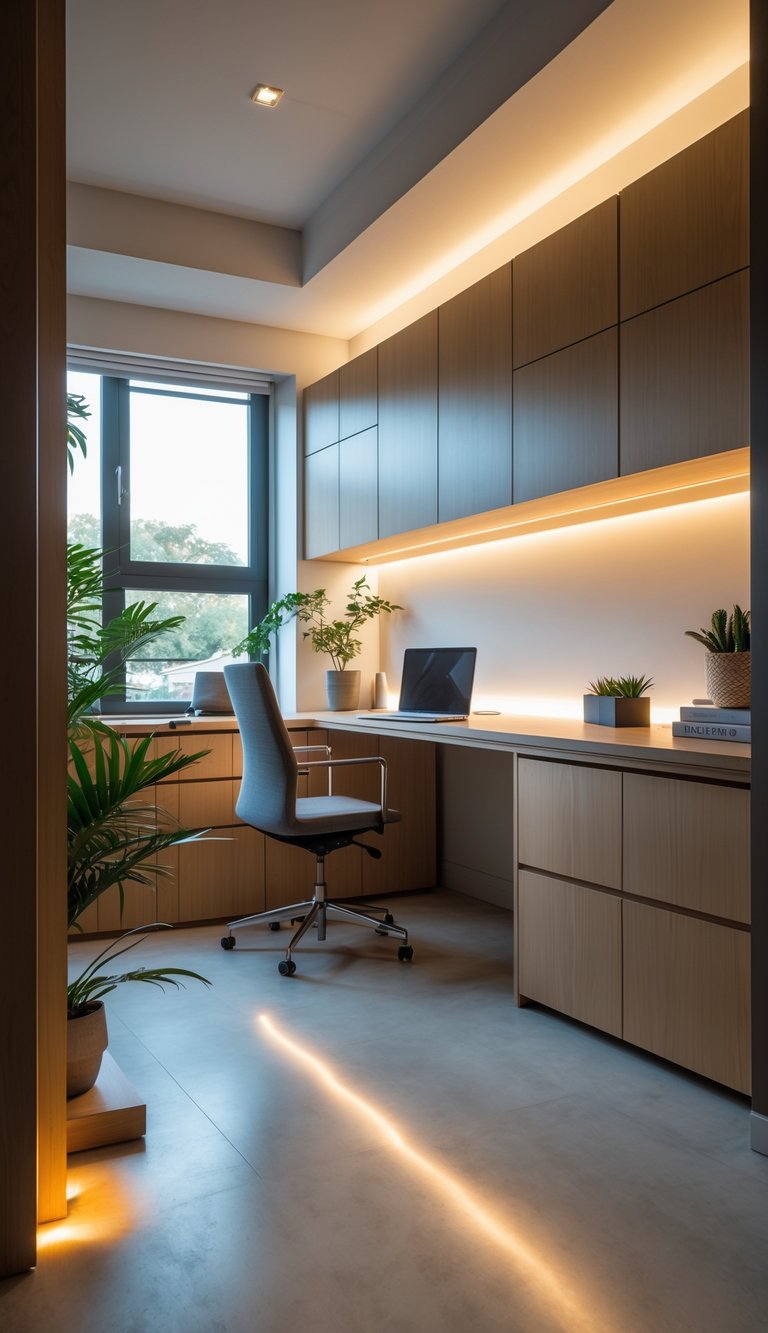
Place small uplights behind cabinets to wash the wall with soft, indirect light. This creates a halo that lifts the room without adding glare, and it makes cabinets look lighter and airier.
Choose low-profile LED puck lights or thin light bars that sit discreetly at the back edge. Aim them upward so the light spreads evenly; you want a smooth glow, not sharp beams.
Use warm white bulbs to keep the mood calm and cozy. Dimmable fixtures give you control for tasks or a gentle evening vibe.
PRO TIP
You can install battery, plug-in, or hardwired uplights depending on your rental status and DIY comfort. Battery or plug-in options are simple and leave no marks, while hardwired lights give a cleaner look and fewer visible cords. Space lights every 12–18 inches for a continuous halo, and test placement with tape before mounting. Match color temperature across all room layers so the halo blends with other lights. Finally, use a dimmer or smart bulbs to fine-tune brightness and create the exact mood you want.
15) Warm-toned bulbs: Philips Hue White Ambiance 2700K bulbs
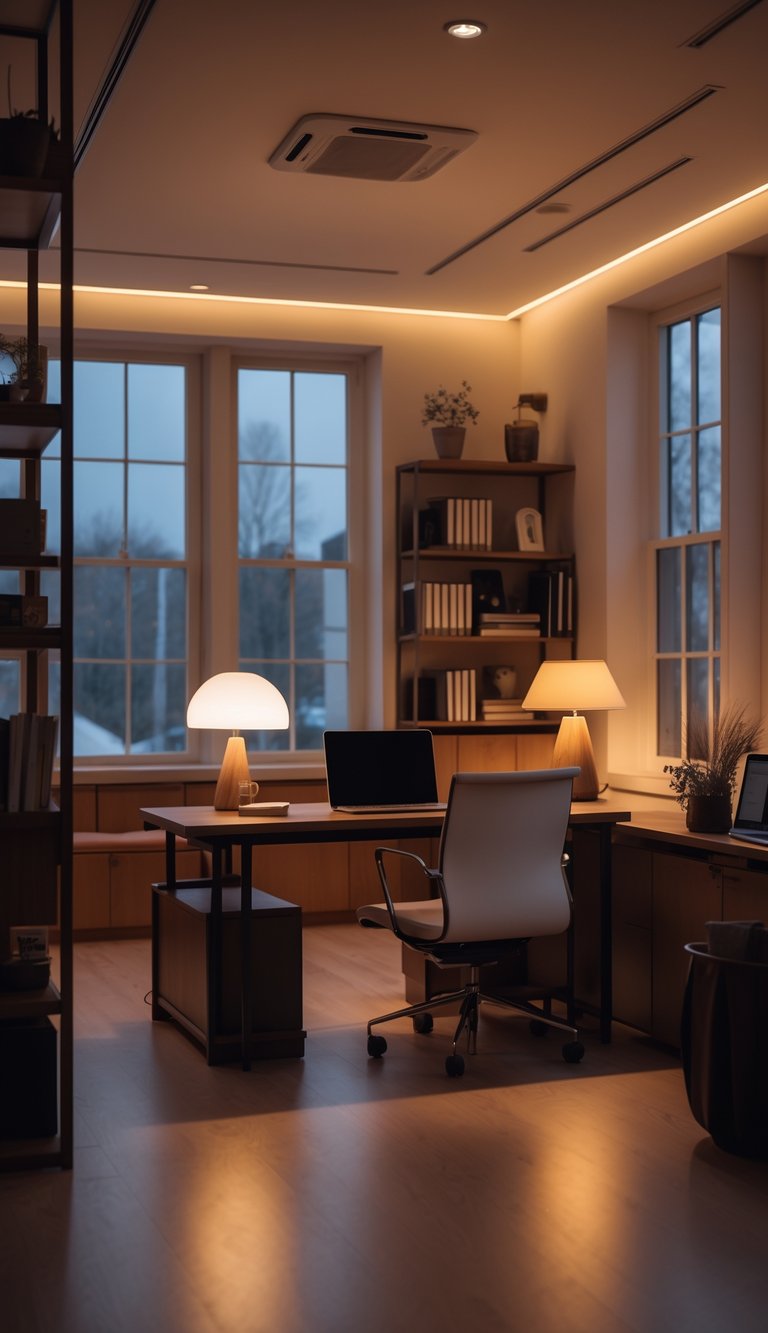
You can use Philips Hue White Ambiance 2700K bulbs to bring a soft, warm glow to your office set. They mimic the gentle warmth seen in many Nancy Meyers interiors, helping furniture and skin tones look cozy and flattering.
These bulbs dim smoothly and work with the Hue app, so you can lower the light for a relaxed evening scene or boost it for tasks. You also get consistent color at 2700K, which keeps the mood steady across multiple fixtures.
Place these bulbs in table lamps, sconces, and recessed cans to build layers without harsh blue light. They pair well with warmer neutrals and wood finishes, creating a calm, inviting atmosphere that still reads on camera.
PRO TIP
You should layer these warm 2700K bulbs with one slightly cooler source for depth and realism. Aim for a dominant warm key light with 2700K bulbs, then add a subtle cooler fill or backlight at around 3000–3500K to avoid a flat look. Use dimmers or the Hue app scenes to tweak balance during rehearsals so skin tones and textures stay natural under different camera angles. If you need higher brightness, choose a White Ambiance A21 high-lumen version while keeping color temperature at 2700K. Finally, position lamps at different heights to create shadow play and visual interest, rather than relying on one overhead source.
16) Dimmer switches on every circuit for precise control
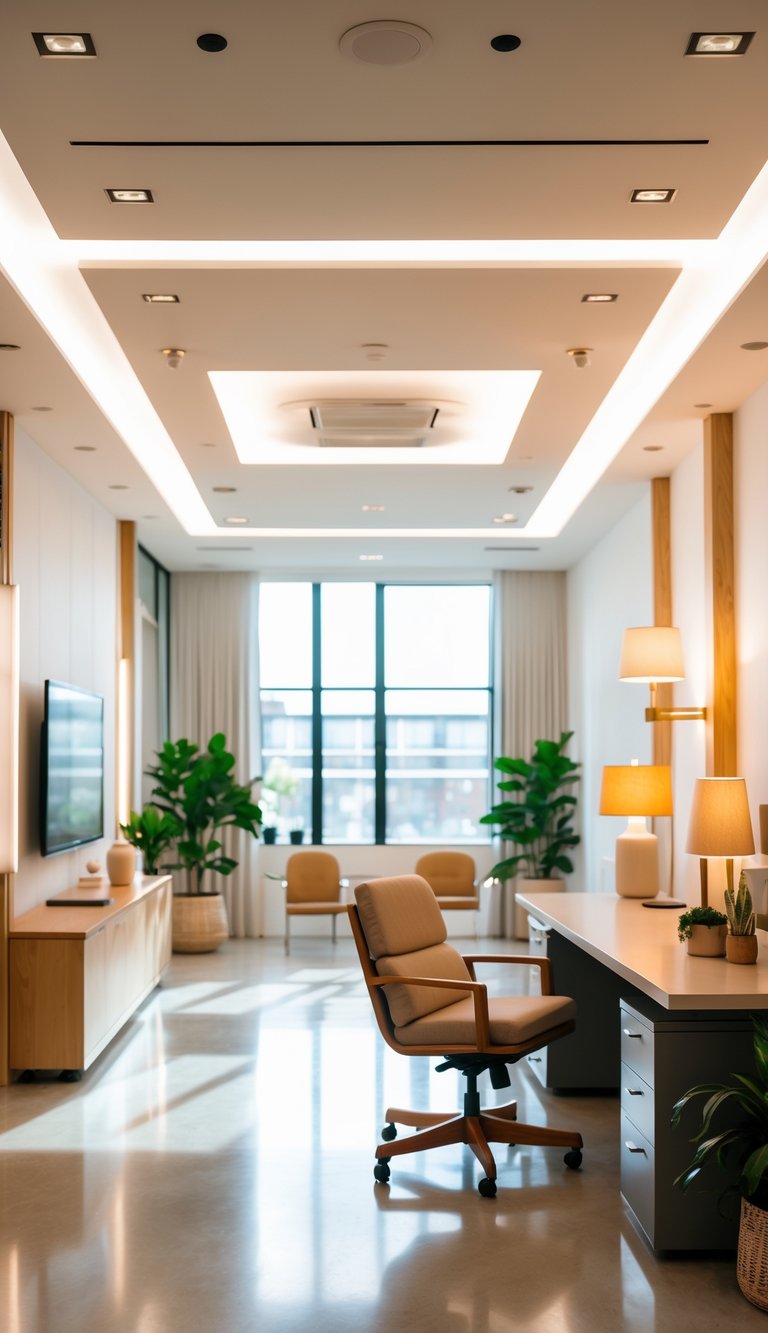
You should put dimmer switches on every lighting circuit to get exact control over brightness. Dimmers let you change the mood without rewiring or swapping bulbs. That flexibility helps you match the soft, layered light you see on a Nancy Meyers set.
With dimmers, you can keep overheads bright for work and lower them for meetings or video calls. Use them on task lights, wall sconces, and accent fixtures so each zone adjusts independently. This prevents harsh shadows and keeps faces looking natural on camera.
Choose dimmers rated for your bulb type, especially for LEDs, to avoid flicker. A consistent dimming system makes your office feel calm and polished while giving you practical control.
PRO TIP
You can run every circuit through a dimmer and then program simple scenes that match activities. For example, set “work” for cooler, brighter light and “relax” for warmer, softer light. If you have smart dimmers, group circuits so a single tap changes multiple fixtures at once. Test dimmers with the exact bulbs you plan to use; not all LEDs dim smoothly on every control. Also, place dimmer knobs or switches within easy reach so you actually use them. This small habit keeps your space flexible and helps you recreate that cozy, cinematic office vibe without fuss.
17) Warm paint palette: Benjamin Moore Swiss Coffee walls
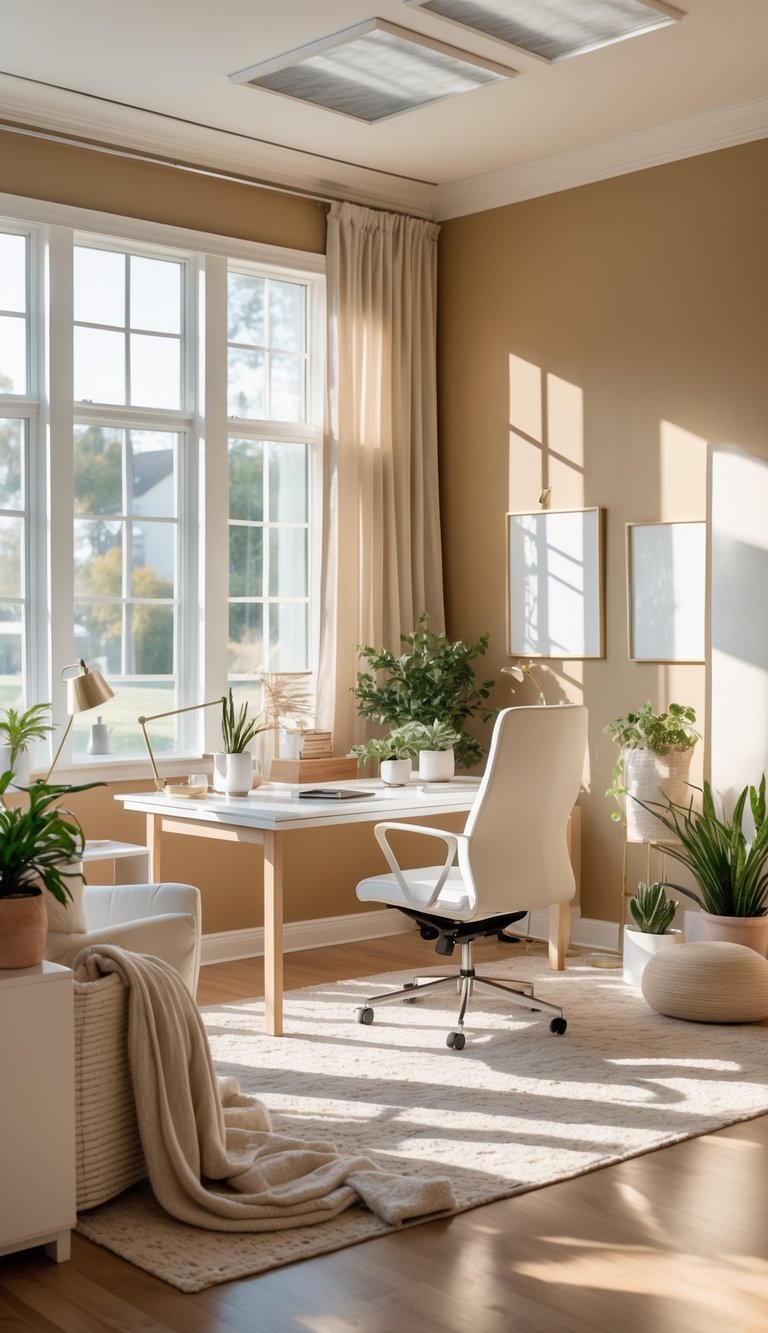
Swiss Coffee gives your office a soft, warm backdrop that reads as a creamy off-white. It keeps the room bright while adding a gentle warmth that flatters wood tones and brass fixtures.
Use Swiss Coffee on all walls to create a calm, consistent base for layered lighting. Lamps, sconces, and task lights will reflect softly, reducing harsh contrasts and making the space feel lived-in and elegant.
Pair it with crisp white trim to keep edges sharp and clean. You can add muted greens or dusty blues in fabrics and art for subtle color without fighting the warmth of the walls.
PRO TIP
When you paint with Swiss Coffee, test samples in several spots and view them at different times of day. Natural light sunrise and midday light will show the warm undertones differently than evening lamp light. If you plan layered lighting like pendant, table, and recessed lights, check the paint’s appearance under each light type. Use warm LED bulbs around 2700–3000K to match the paint’s warmth. Choose matte or eggshell finishes to hide wall imperfections and keep reflections soft. Add texture—linen curtains, a wool rug, or woven shades—to boost depth and keep the cozy, cinematic feel you want in a Nancy Meyers–style office.
18) Textured lampshades in linen or burlap to soften light
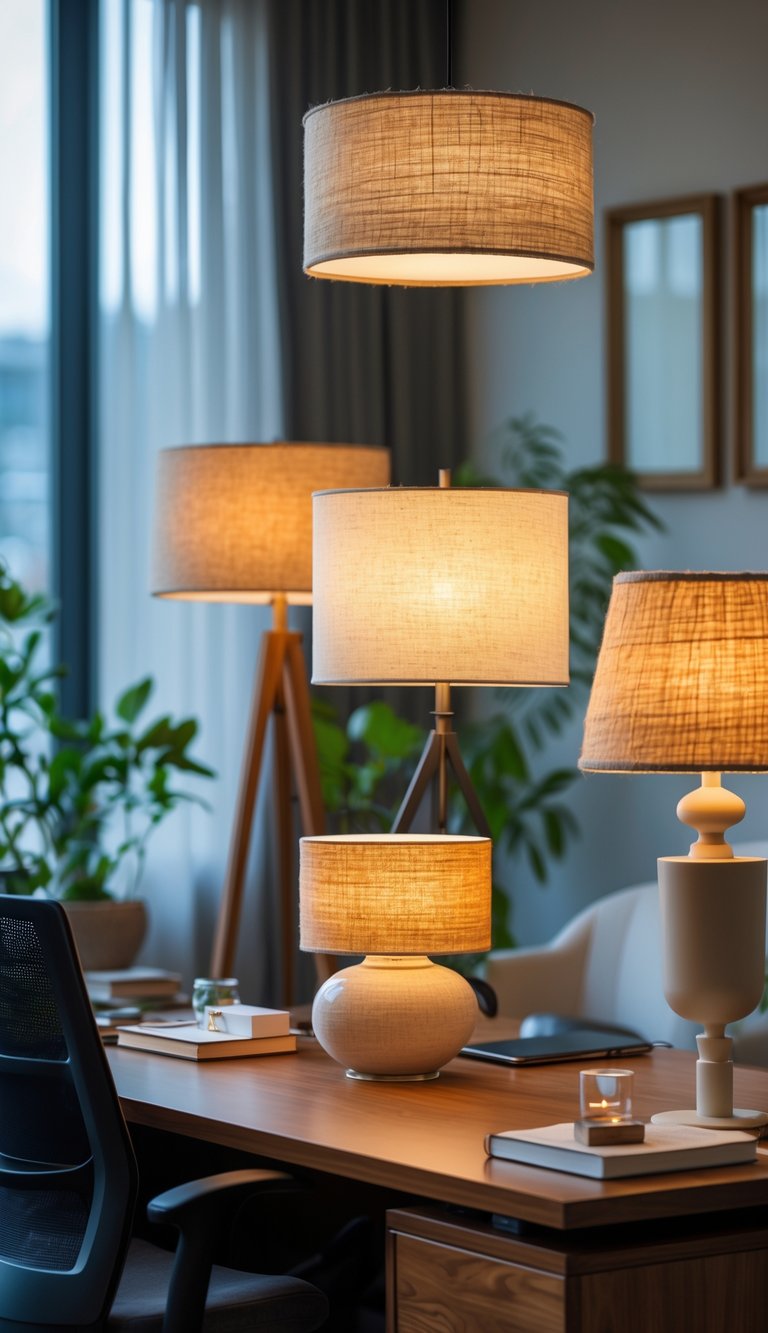
Choose linen or burlap shades to give your office that warm, lived-in look. Linen filters light softly and keeps colors true, while burlap adds a bit of rustic texture and a cozy glow.
Textured shades break up harsh glare and create pools of light that feel calm and inviting. You can layer them over task lamps or pendants to keep work areas bright without that clinical feel.
Pick lighter weaves for more ambient light and tighter, darker weaves when you want moodier pockets of brightness. Match the shade tone to your palette so the light blends with your decor and feels intentional.
PRO TIP
When selecting a linen or burlap shade, test it in the room at different times of day to see how it changes the mood. Place the lamp where you need both function and atmosphere; a linen shade near your desk gives clear, soft task light, while burlap on a side table creates a warm corner for reading. Consider a lined shade if you need more controlled illumination but still want texture. You can also layer a textured outer shade over a white inner shade to keep brightness while showing the fabric’s weave. Small tweaks like trim color or a slightly taller drum shape help the shade read more polished and on set.